

Junction Boxes & Signal Amplification – Signal Management in Multi-Load Systems
Introduction: Coordinating Multiple Load Cells
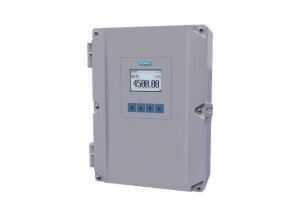
In weighing systems that require multiple load cells—such as floor scales, truck scales, or tank weighing systems—a junction box is an essential passive component. It serves as the electrical hub where the individual signals from all load cells are combined before being sent to the weighing terminal. Beyond simple connection, the junction box allows for crucial signal trimming and amplification adjustments necessary to ensure the entire scale system provides accurate and consistent readings regardless of where the load is placed on the platform.
The Role of the Junction Box
The primary purpose of the junction box is signal summation and standardization, ensuring the scale’s output is stable and reliable.
1. Signal Summation
Each load cell generates an output voltage proportional to the portion of the total load it carries. The junction box connects the wiring of all load cells in parallel. This configuration sums the individual signals into a single, comprehensive output signal that represents the total load on the scale platform.
2. Corner Compensation (Trimming)
A critical function is corner compensation, also known as trimming. Due to manufacturing variances in load cells or slight imperfections in the scale structure, a load placed in one corner might register slightly differently than the same load placed in another corner. The junction box contains potentiometers or trimming resistors for each load cell circuit.
- Calibration Process: During calibration, a known test weight is placed over each load cell individually. If a corner reading is too low, the corresponding trimming resistor is adjusted to increase its signal output, effectively balancing the load distribution across the entire platform.
Signal Amplification and Digital Components
While traditional junction boxes are passive, modern systems may incorporate active components for enhanced performance.
Signal Amplification (Traditional)
The signal from a load cell is typically in the millivolt range (mV), a weak signal highly susceptible to electrical noise and interference over long cable runs. Although the junction box itself rarely amplifies the signal, it ensures the summed signal is clean and stable before it reaches the weighing indicator, where the necessary signal amplification occurs.
Digital Junction Boxes
In advanced systems using analog load cells, a digital junction box (or summing box with integrated A/D conversion) may be used. These boxes convert the analog signal to a digital format right at the platform. This offers significant advantages:
- Noise Immunity: Digital transmission is resistant to electrical noise, maintaining signal integrity over very long distances.
- Advanced Diagnostics: Digital systems can monitor and report the performance status of individual load cells, simplifying troubleshooting without needing specialized tools.
Environmental and Maintenance Considerations
Given their placement (often underneath a scale or exposed to the elements), junction boxes must be highly robust.
- IP Rating: The enclosure must have an appropriate Ingress Protection (IP) rating, particularly in washdown or dusty environments, to protect the sensitive wiring and trimming components from moisture and dirt.
- Accessibility: While robust, the box must be easily accessible for initial setup, periodic corner calibration checks, and troubleshooting, as it is the central point for fault detection in multi-load systems.
In essence, the junction box ensures that the scale’s many load cells act as a single, perfectly coordinated sensor, guaranteeing measurement accuracy and consistency across the entire weighing deck.