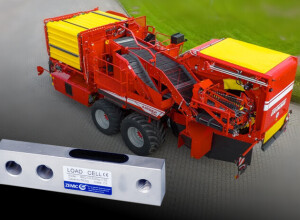


Overload Prevention Systems: Safety and Regulatory Compliance
Introduction: Mitigating Risks in Heavy Transport
Overload Prevention Systems (OPS) are dedicated safety technologies designed to ensure that vehicles and lifting equipment do not exceed their legal weight limits or structural capacities. These systems são critical in heavy transport, logistics, and material handling, where exceeding weight limits presents significant risks. The primary goals of OPS are twofold: protecting road safety by reducing stress on infrastructure and vehicle components, and guaranteeing strict adherence to governmental weight regulations.
How Overload Prevention Systems Work
OPS functionality ranges from simple mechanical alerts to sophisticated, real-time telemetry systems integrated with the vehicle’s operating controls.
Technology in Static and Dynamic Applications
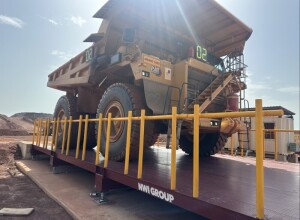
- On-Board Monitoring (Vehicles): These systems use sensors (such as air pressure transducers or strain gauges) installed on axles, chassis, or suspension components. They provide drivers with an immediate, in-cab display of the current axle load and Gross Vehicle Weight (GVW), allowing loads to be adjusted before leaving a site.
- Lifting Equipment (Cranes/Forklifts): For equipment like overhead cranes or telescopic handlers, OPS is essential for safety. It measures the load moment, factoring in the boom angle and reach, and provides audible or visual warnings. Crucialmente, if the load approaches the critical limit, the system can automatically lock out lifting or extending operations to prevent tipping or structural failure.
- Loading Terminals (Silos/Hoppers): Integrated systems use load cells to measure material being loaded into a container or vessel. They communicate with the loading mechanism (e.g., a chute or conveyor belt) to automatically slow down or stop the flow of material once a predefined target or legal limit is reached.
Impact on Safety and Costs
Implementing effective OPS delivers measurable improvements in safety and contributes directly to a lower Total Cost of Ownership (TCO).
Safety and Compliance
- Accident Reduction: Overloaded vehicles suffer from reduced braking efficiency, increased instability during turns, and higher tire blowout risk. OPS mitigates these dangers by guaranteeing safe operating weights.
- Infrastructure Protection: By ensuring vehicles comply with legal axle limits, OPS significantly reduces the excessive wear and tear on public roads, bridges, and tunnels, avoiding costly infrastructure damage.
- Fines and Delays: Real-time prevention eliminates the financial penalties, administrative burden, and severe operational delays associated with being stopped and cited at official weigh stations.
Operational Longevity
- Component Wear: Consistent overloading dramatically shortens the life of expensive vehicle components, including engines, transmissions, brakes, and suspensions. OPS protects these assets, extending the vehicle's lifespan and reducing maintenance costs.
- Warranty Protection: Operating a vehicle or machine within its manufacturer-specified weight limits is often a condition of the warranty. OPS provides the necessary data verification to maintain warranty coverage.
Integration and Data Management
Modern OPS systems are often integrated with fleet telematics.
- Data Logging: Every loading event, weight reading, and overload warning is automatically logged and time-stamped, providing an indisputable audit trail for compliance checks.
- Remote Reporting: Load data is transmitted to the central fleet management system, allowing dispatchers to monitor loading practices across the fleet and enforce company policies from a remote location.
Overload Prevention Systems shift compliance from a reactive, punitive measure to a proactive, integrated operational standard, safeguarding assets, personnel, and public infrastructure.