

Vehicle Weight Monitoring for Fleets: Fleet Optimization and Overload Prevention
Introduction: Gaining Visibility into Vehicle Loads
Vehicle Weight Monitoring (VWM) refers to systems used by fleet managers to track the load of their trucks in real-time or near real-time, often using on-board weighing technology. This capability is crucial for maximizing operational efficiency—ensuring trucks are neither under-loaded (wasting capacity) nor overloaded (violating safety and legal mandates). VWM systems move weight management from static compliance checks at a weigh station to dynamic, continuous monitoring throughout the entire route.
On-Board Weighing Technology
VWM relies on specialized sensors integrated directly into the truck's chassis and suspension system.
Types of On-Board Systems
- Hydraulic Pressure Sensors: Used on vehicles with air suspension (common in heavy trucks). These sensors measure the pressure in the air bags, which correlates directly to the axle load. They are highly accurate when properly calibrated.
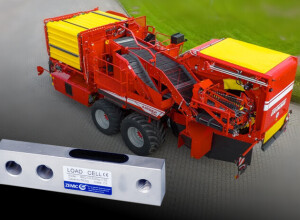
- Strain Gauge Load Cells: Installed between the chassis and the truck body or under the container/hopper. These act as mini weighbridges, providing direct weight measurement.
- Load Pin Sensors: Integrated into the pivot points of lift arms (e.g., waste collection vehicles) to measure load moment, which is then translated into weight.
In-Cab Display and Telematics
The system provides immediate feedback to the driver via an in-cab display, showing the current axle weight and gross vehicle weight (GVW). Crucially, this data is sent via telematics (GPS and cellular connection) to the central fleet management system (FMS). This enables supervisors to make informed routing and loading decisions remotely.
Benefits of Fleet Weight Monitoring
Implementing VWM systems yields significant returns across safety, compliance, and profitability.
1. Overload Prevention and Safety
- Legal Compliance: By providing real-time weight alerts, VWM prevents trucks from leaving the depot overloaded, avoiding massive fines, regulatory penalties, and costly delays at official weigh stations.
- Reduced Risk: Overloaded trucks are less stable, require longer braking distances, and put undue stress on tires and components. VWM directly enhances road safety by ensuring loads are within design limits.
2. Operational Optimization
- Maximized Payload: Managers can ensure every truck is loaded to its legal capacity, minimizing the number of required trips and optimizing fuel consumption per ton of freight carried.
- Balanced Loading: VWM helps ensure the load is evenly distributed across all axles, preventing excessive wear on specific tires and improving vehicle handling.
3. Maintenance and Longevity
Continuous overloading is the primary cause of premature suspension, brake, and chassis failure. By preventing these stresses, VWM extends the lifespan of the vehicle and reduces unexpected maintenance costs, significantly lowering the total cost of ownership (TCO).
Integration with Fleet Management
The true value of VWM is realized when the weight data is integrated into the FMS:
- Alerts and Reporting: The FMS automatically logs all weight data and generates alerts when a loading tolerance is exceeded, creating an auditable trail for compliance reporting.
- Route Planning: Dispatchers can use VWM data to assign loads to the correct vehicles based on remaining capacity and planned route restrictions.
VWM is transforming fleet operations, turning every truck into a smart asset that actively manages its own compliance and efficiency.