

Weighbridges for Freight & Cargo: Ensuring Compliance in Shipping
Introduction: Why Weighbridges are Critical in Logistics
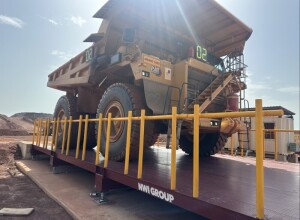
Weighbridges, also known as truck scales or heavy-duty scales, are foundational tools in the world of freight and cargo logistics. They are essential not just for calculating transport costs but, more critically, for maintaining safety and regulatory compliance across road, rail, and sea shipping networks. In a sector where vehicle overloading can lead to catastrophic accidents and significant fines, the weighbridge acts as the primary gatekeeper for legal and operational integrity.
The Compliance Imperative in Shipping
Overloaded vehicles pose serious risks, including structural damage to infrastructure (roads, bridges), vehicle instability, and excessive wear and tear. Governments and regulatory bodies mandate strict weight limits to mitigate these risks.
Key Regulatory Requirements
- Road Transport: Operators must comply with regional road authority limits (e.g., axle load limits, gross vehicle weight). Non-compliance results in heavy fines and often requires cargo redistribution, causing costly delays.
- Maritime Shipping (SOLAS): The Safety of Life at Sea (SOLAS) convention requires the Verified Gross Mass (VGM) of every packed shipping container to be declared before loading onto a vessel. This rule drastically reduced maritime incidents related to misdeclared container weights. Weighbridges are the standard method for accurately determining VGM.
- Rail and Intermodal: Weighing ensures that rail cars and containers meet the safe operating limits of the tracks and cranes used for intermodal transfer.
The role of the weighbridge is to provide an accurate, legally traceable measurement that confirms compliance with these varied regulations, ensuring safety from the warehouse floor to the ship deck.
Design and Technology for Freight Applications
Weighbridges used in freight and cargo operations are engineered for extreme durability and precision.
Key Features of a Freight Weighbridge
| Feature | Description | Importance for Freight |
|---|---|---|
| High Capacity | Typically ranging from 60 to 150 metric tons. | Necessary to accommodate fully loaded semi-trailers and specialized heavy-haul vehicles. |
| Robust Construction | Steel or concrete deck, built to withstand continuous, high-volume traffic. | Essential for longevity and preventing structural failure under constant use. |
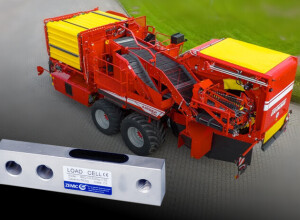
| Load Cell Technology | Often uses digital load cells for superior stability, temperature compensation, and remote diagnostics. | Ensures measurement accuracy remains stable despite environmental changes and heavy use. |
| Legal-for-Trade Certified | Must be certified (e.g., OIML or NTEP) for commercial transactions and regulatory use. | Guarantees the validity and traceability of the weight reading for legal compliance. |
Types of Weighbridges in Logistics
- Pit-Mounted: Installed flush with the ground, ideal for sites with high vehicle volume and limited space, offering easy access for two-way traffic.
- Surface/Above-Ground: Requires ramps but is easier and less expensive to install and maintain, as components are accessible above the ground.
- Portable/Axle Weighing: Used for quick checks or at temporary sites. While fast, they are less accurate than full weighbridges and are often used for preliminary screening before a compliance check.
Operational Best Practices for Accuracy
Achieving compliance depends heavily on the correct operation and maintenance of the weighbridge.
- Calibration: Regular, certified calibration is mandatory, often semi-annually, to maintain Legal-for-Trade status.
- Maintenance: Beyond calibration, continuous cleaning (especially draining pits) and checking for debris around the load cells is crucial to prevent binding and measurement errors.
- Data Integration: Modern freight terminals integrate the weighbridge indicator with enterprise systems (ERP/WMS) to automate data capture, instantly cross-reference weight against declared manifest weights, and generate required compliance reports (like the VGM).
- Driver Procedure: Clear instructions must be posted to ensure drivers position the vehicle correctly on the scale, stopping completely and avoiding rapid entry/exit, which can skew readings.
In summary, the weighbridge is a vital piece of infrastructure for any entity dealing with large-scale cargo movement. It moves beyond being a simple measuring device to become an indispensable compliance tool that safeguards business operations, regulatory standing, and public safety.